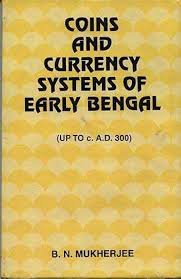
| Author | Bratindra Nath Mukherjee |
|---|---|
| Publisher | Progressive Publishers |

Coins and currency systems of early Bengal, up to c. A.D. 300
Be the first to review “Coins and currency systems of early Bengal, up to c. A.D. 300” Cancel reply
Related Products
Fall of Giants
This is a huge novel that follows five families through the world-shaking dramas of the First World War, the Russian Revolution, and the struggle for votes for women. It is 1911. The Coronation Day of King George V. The Williams, a Welsh coal-mining family, is linked by romance and enmity to the Fitzherberts, aristocratic coal-mine owners. Lady Maud Fitzherbert falls in love with Walter von Ulrich, a spy at the German Embassy in London. Their destiny is entangled with that of an ambitious young aide to U.S. President Woodrow Wilson and to two orphaned Russian brothers, whose plans to emigrate to America fall foul of war, conscription and revolution. In a plot of unfolding drama and intriguing complexity, “Fall of Giants” moves seamlessly from Washington to St Petersburg, from the dirt and danger of a coal mine to the glittering chandeliers of a palace, from the corridors of power to the bedrooms of the mighty.
Land of Two Rivers
Land of Two Rivers chronicles the story of one of the most fascinating and influential regions in the Indian subcontinent. The confluence of two major river systems, Ganga and Brahmaputra, created the delta of Bengal–an ancient land known as a center of trade, learning and the arts from the days of the Mahabharata and through the ancient dynasties. During the medieval era, this eventful journey saw the rise of Muslim dynasties which brought into being a unique culture, quite distinct from that of northern India. The colonial conquest in the eighteenth century opened the modern chapter of Bengal’s history and transformed the social and economic structure of the region. Nitish Sengupta traces the formation of Bengali identity through the Bengal Renaissance, the growth of nationalist politics and the complex web of events that eventually led to the partition of the region in 1947, analyzing why, despite centuries of shared history and culture, the Bengalis finally divided along communal lines. The struggle of East Pakistan to free itself from West Pakistan’s dominance is vividly described, documenting the economic exploitation and cultural oppression of the Bengali people. Ultimately, under the leadership of Bangabandhu Mujibur Rahman, East Pakistan became the independent nation of Bangladesh in 1971. Land of Two Rivers is a scholarly yet extremely accessible account of the development of Bengal, sketching the eventful and turbulent history of this ancient civilization, rich in scope as well as in influence.
Kontinent: The Alternative Voice of Russia and Eastern Europe
During the last few years many people of great talent have been allowed to emigrate from the Soviet Union.As many of Russia’s best living writers are now living outside their own country, it was recently decided to launch a quarterly journal to which they would all contribute. This journal, KONTINENT, would open a dialogue between these writers and the literary figures in the West interested in the problems of Eastern Europe.This collection is drawn from the first two Russian volumes of KONTINENT, and includes valuable contributions from the most famous ‘stars’ of Russia’s ‘third emigration’. There is the historic controversy between Alexander Solzhenitsyn and Andrei Sakharov, winner of the Nobel Peace Prize; a memorable article by Abram Terz (Andrei Sinyavsky) on the literary process in Russia; a novella by Vladimir Maramzin; and poems by Joseph Brodsky, widely accepted as Russia’s most talented living poet, and by Alexander Galich, whose work is enjoyed in song form by millions of Russians.
Hitler’s Vienna
What turned Adolf Hitler, a relatively normal and apparently unexceptional young man, into the very personification of evil? To answer this question, acclaimed historian Brigitte Hamann has turned to the critical, formative, years that the young Hitler spent in Vienna. As a failing, bitter, and desperately poor artist, Hitler experienced only the dark underbelly of Vienna, which was seething with fear, racial prejudice, anti-Semitism and conservatism. Drawing on previously untapped sources—from personal reminiscences to the records of shelters where Hitler slept—Hamann vividly recreates the dark side of fin de siècle Vienna and paints the fullest and most disturbing portrait of the young Hitler to date.


There are no reviews yet.