


| Author | M. Kamrul Hasan, M. Monirul H. Khan |
|---|---|
| Publisher | Arannayk Foundation |

Amphibians and Reptiles of Bangladesh: A Field Guide
Please Login to view access options.
This book can only be request by members.
Additional information
Reviews (0)
Be the first to review “Amphibians and Reptiles of Bangladesh: A Field Guide” Cancel reply
Related Products


Natural, Alternative and Complementary Health Care Practices
Highlights:
Section One is organized by body system. Each chapter contains therapeutic applications or interventions related to the categories in Section Two. This section also includes a discussion of quality and practical issues that conventional health care providers may encounter.
Section Two presents categories that are the framework for NAC therapies and provides a brief overview for understanding NAC modalities from an organized perspective. The reader is referred to references and websites for information on modalities including cautions, contraindications, side effects, and specific credentialing and regulation of practitioners.
Includes unique 2-part organization: the chapters in the first part are listed by body system and focus on interventions and extensively cross-reference the second part, which is a reference section on each of the common NAC therapies
Outlines Natural, Alternative, & Complementary therapies for common outpatient conditions.
Includes Shuler’s Nurse Practitioner Practice Model for problem-focused holistic assessment.
Follows format for NAC categories of the National Center for Complementary and Alternative Medicine (NCCAM).

Recently Viewed
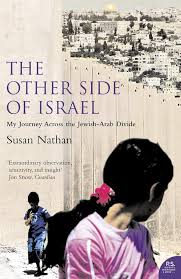
THE OTHER SIDE OF ISRAEL: My Journey Across the Jewish-Arab Divide
Highlights:
In 2003, Susan Nathan moved from her comfortable home in Tel Aviv to Tamra, an Arab town in the northern part of Israel. Nathan had arrived in Israel four years earlier and had taught English and worked with various progressive social organizations. Her desire to help build a just and humane society in Israel took an unexpected turn, however, when she became aware of Israel’s neglected and often oppressed indigenous Arab population. Despite warnings from friends about the dangers she would encounter, Nathan settled in an apartment in Tamra, the only Jew among 25,000 Muslims. There she discovered a division between Israeli Jews and Israeli Arabs as tangible as the concrete wall and razor-wire fences that surround the Palestinian towns of the West Bank and Gaza.
From her unique vantage point, Nathan examines the history and the present-day political and cultural currents that have created a situation little recognized in the ongoing debates about the future of Israel and the Middle East. With warmth, humor, and compassion, she portrays the daily life of her neighbors, the challenges they encounter, and the hopes they harbor. She introduces Arab leaders fighting against entrenched segregation and discrimination; uncovers the hidden biases that undermine even the most well-intentioned Arab-Jewish peace organizations; and describes the efforts of dedicated individuals who insist that Israeli Arabs must be granted the same rights and privileges as Jewish citizens.
Through her own courageous example, Nathan proves that it is possible for Jews and Arabs to live and work peacefully together. The Other Side of Israel is more than the story of one woman’s journey; it is a road map for crossing a divide created by prejudices and misunderstandings.
There are no reviews yet.