






Shopping cart is empty!
Home
Showing 5977–5988 Products of 11194 Products

Taliban: The Story of the Afghan Warlords
Highlights:
The definitive account of the history of the Taliban and its uncertain future. This is the book that Tony Blair and Alistair Campbell consulted to gain a better impression of the unique circumstances of the Taliban. An exploration of the overwhelming complexity of Afghan politics, The Taliban: The Story behind the Afghan Warlords explains how it came in to being, how it is sustained and how Osama bin Laden has risen to such a figure of absolute power. Ahmed Rashid clarifies the often confusing racial and religious tensions that dominate this fractious land. And describes why the drug trade has exacerbated an already untenable situation. Rashid argues that Taliban is incapable of reform, and that, in the current crisis, it may implode due to defections. With the Northern Alliance an unpredictable alternative, Rashid concludes that without a multi-tribal government in which bordering states do not seek predominant influence, there will never be peace. ‘Read this remarkable book and the bewildering complexity of Afghan politics and the deadly over-spill of chaos, narcotics and sectarian violence into the surrounding region will become clear.’ Patrick Seale, Sunday Times ‘Ahmed Rashid’s book describes the stuff that Bond [films] are made of. Warring tribes, clashing empires, fanatics with dreams of world domination, violence and sex . If anyone understands the place Rashid does.’ Jason Burke, Observer

Tamerlane: Sword of Islam, Conqueror of the World
Highlights:
A powerful account of the life of Tamerlane the Great (1336-1405), the last master nomadic power, one of history’s most extreme tyrants, and the subject of Marlowe’s famous play. Marozzi travelled in the footsteps of the great Mogul Emperor of Samarkland to write this wonderful combination of history and travelogue.The name of the last great warlord conjures up images of mystery and romance: medieval warfare on desert plains; the clash of swords on snow-clad mountains; the charge of elephants across the steppes of Asia; the legendary opulence and cruelty of the illiterate, chess-playing nemesis of Asia. He ranks alongside Alexander as one of the world’s great conquerors, yet the details of his life are scarcely known in the West.He was not born to a distinguished family, nor did he find his apprenticeship easy – at one point his mobile army consisted only of himself, his wife, seven companions and four horses – but his dominion grew with astonishing rapidity. In the last two decades of the fourteenth century and the beginning of the fifteenth, he blazed through Asia. Cities were razed to the ground, inhabitants tortured without mercy, sometimes enemies were buried alive – more commonly they were decapitated. On the ruins of Baghdad, Tamerlane had his princes erect a pyramid of 90,000 heads.During his lifetime he sought to foster a personal myth, exaggerating the difficulties of his youth, laying claim to supernatural powers and a connection to Genghis Khan. This myth was maintained after his death in legend, folklore, poetry, drama and even opera, nowhere more powerfully than in Marlowe’s play – he is now as much a literary construct as a historical figure. Justin Marozzi follows in his path and evokes his legacy in telling the tale of this fabulously cruel, magnificent and romantic warrior.

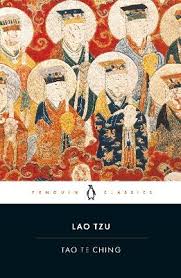
Tao Te Ching
Highlights:
Dating for around 300 BC, this is an early work of the Chinese school of philosophy called Taoism. It offers a complete view of the cosmos and how human beings should respond to it. It has mystical insight into the nature of things and forms a basis for a humane morality and political utopia.