






Shopping cart is empty!
Home
Showing 3109–3120 Products of 11194 Products

Imagist Poetry
Highlights:
Imagism was a brief, complex yet influential poetic movement of the early 1900s, a time of reaction against late nineteenth-century poetry which Ezra Pound, one of the key imagist poets, described as ‘a doughy mess of third-hand Keats, Wordsworth … half-melted, lumpy’. In contrast, imagist poetry, although riddled with conflicting definitions, was broadly characterized by brevity, precision, purity of texture and concentration of meaning: as Pound stated, it should ‘use no superfluous word, no adjective, which does not reveal something … it does not use images as ornaments. The image itself is the speech’. It was this freshness and directness of approach which means that, as Peter Jones says in his invaluable Introduction, ‘imagistic ideas still lie at the centre of our poetic practice’.

Imam Abu Hanifah: Life and Work
Highlights:
A biography of the great scholar of the traditional islamic sciences: the founder of the very first school of law in Ahl as-sunna wa al-jama’a, who indeed was a great source of islamic knowlegde, gained through the companions of the Prophet (sahaba) and their companions (tabi’i), which makes Imam Abu Hanifa a tabi’i himself.
Allama Shibli Nu’mani was a renowned Scholar and Historian and this biography is well researched and composed from authentic sources.
This book shows the qualities of a true scholar one who understands Reality and deal with it rather than shun from it and seclude oneself from Society.
Imam Abu Hanifa is a true example to scholars all over the world.
True spirit of Brotherhood, Solidarity and Mutual Respect between different opinions. Something that is missing in today’s world. They spoke the truth regardless of the consequences, in fact the majority of these learned men spent a great deal of time in jails as will be seen from this biography.
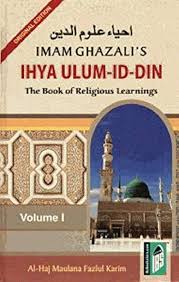
Imam Ghazzali’s Ihya Ulum-Id-Din (The Book of Religious Learnings) Vol.II
Highlights:
كتاب جامع في التربية والأخلاق والتصوف والفقه والعقيدة ، وهو من أهم كتب المواعظ وأعظمها .
رتبه رحمه الله على أربعة أقسام ، ومقدمة في العلم ، وبين في الربع الأول أحكام العبادات وكشف عن أسرارها ، وذكر آدابها وسننها والترغيب فيها ، وخصص الربع الثاني للعادات كالنكاح ، والأكل والكسب ، والحلال والحرام ، والصحبة والعزلة ، والمعاشرة والسفر ، والأمر بالمعروف والنهي عن المنكر ، وبين فيه أسرار المعاملات الجارية بين الناس ، وأفرد الربع الثالث للمهلكات مثل عجائب القلب ورياض النفس ، وآفات شهوة البطن والفرج ، وآفات اللسان ، والغضب والحقد والحسد ، وذم الدنيا والمال والبخل ، وذم الجاه والرياء والكبر ، والعجب والغرور ، وعرض الأخلاق المذمومة ، لتزكية النفس عنها وتطهير القلب منها ، وشرح في الربع الرابع المنجيات ، كالتوبة ، والصبر ، والخوف من الله ، والرجاء ، والفقر والزهد ، والمحبة والإخلاص ، والصدق ومراقبة الله تعالى ، ومحاسبة النفس والتفكر ، وختمه بذكر الموت ، وشرح هذه الأخلاق المحمودة ، والخصائل المرغوبة للتقرب إلى الله تعالى بها .
قال عنه الإمام الذهبي في سير أعلام النبلاء 19/339:
(أما “الإحياء” ففيه من الأحاديث الباطلة جملة، وفيه خير كثير لولا ما فيه من آداب، ورسوم، وزهد من طرائق الحكماء ومنحرفي الصوفية نسأل الله علما نافعاً. تدري ما العلم النافع؟ هو ما نزل به القرآن، وفسره الرسول صلى الله عليه وسلم قولاً وفعلاً، ولم يأت نهي عنه. قال عليه السلام: “من رغب عن سنتي فليس مني” فعليك يا أخي بتدبر كتاب الله، وبإدمان النظر في الصحيحين، وسنن النسائي، ورياض النووي وأذكاره تفلح وتنجح. وإياك وآراء عباد الفلاسفة ووظائف أهل الرياضات، وجوع الرهبان، وخطاب طيش رؤوس أصحاب الخلوات، فكل الخير في متابعة الحنفية السمحة، فوا غوثاه بالله، اللهم اهدنا إلى صراطك المستقيم