




Related Products

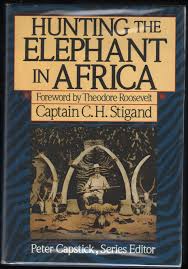
Hunting the Elephant in Africa
Highlights:
The author describes his adventures in Africa hunting for elephants, lions, buffalo, and other big-game animals

the devil is an ass
Highlights:
The plays featured have been edited from the earliest printed texts.
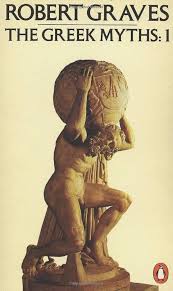
The Greek Myths (Volume 1)
Highlights:
Volume 1 of Robert Graves classical translation of Greek Myth is both reference and entertainment. Covering Myths 1 through 104, this Volume tells the stories of Endymion, Daedalus, Pygmalion, etc. This contains detailed cross-references and indexes.


The Secret of the Heart
Highlights:
Kahlil Gibran reveals his vision of the soul and understanding of the world—past, present, and future—in this rich sampling of more than twenty works. Prose tales, fables, and poems evoke the mystic East and form a world at once powerful, tender, joyous, and melancholy. This collection, penned when Gibran was still a young writer, reveals many of the themes and styles plumbed throughout his life, including his lifelong struggle against injustice in “The Crucified,” his heart-wrenching lament for a Lebanon shackled by tradition and politics in “My Countrymen,” and his masterful use of symbolism and simile in “The Secrets of the Heart.”
A writer with infinite abilities, Gibran continually seeks true beauty, no matter the form.


Recently Viewed

Heart of Darkness
Highlights:
Joseph Conrad’s enduring portrait of the ugliness of colonialism in a deluxe edition with a gripping cover by Hellboy artist Mike Mignola. Nominated as one of America’s best-loved novels by PBS’s The Great American Read Heart of Darkness is the thrilling tale of Marlow, a seaman and wanderer recounting his physical and psychological journey in search of the infamous ivory trader Kurtz. Traveling upriver into the heart of the African continent, he gradually becomes obsessed by this enigmatic, wraith-like figure. Marlow’s discovery of how Kurtz has gained his position of power over the local people involves him in a radical questioning, not only of his own nature and values, but of those that underpin Western civilization itself. For more than seventy years, Penguin has been the leading publisher of classic literature in the English-speaking world. With more than 1,700 titles, Penguin Classics represents a global bookshelf of the best works throughout history and across genres and disciplines. Readers trust the series to provide authoritative texts enhanced by introductions and notes by distinguished scholars and contemporary authors, as well as up-to-date translations by award-winning translators.
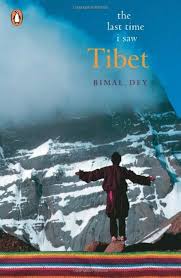
The Last Time I Saw Tibet
Highlights:
Bitten by wanderlust at a young age, Bimal Dey has traveled the world, including the Arctic and Antarctica. But it’s his journey across Tibet, from Gangtok to Lhasa and Mansarovar when he was a teenager, that holds a special place in his heart. The Last Time I Saw Tibet recounts his adventures during this trip in 1956: a time when Sikkim was not yet part of India, the Fourteenth Dalai Lama still ruled in Tibet although Chinese presence was marked, and Indians were not banned from traveling there.
Ordained as a Buddhist monk by his Guru-ji just before the start of the journey (as only lamas can stay in monasteries), he posed as one who had taken a vow of silence (as he did not know enough Tibetan to convince the Tibetan and Chinese authorities). He day trekked across the Nathu La pass, Chumbi valley and the Sangpo river along with an intrepid band of lamas, before reaching Lhasa (abode of he gods), many months later.
He visited the Jokhang Temple and Norbulingka, the summer palace of His Holiness the Dalai Lama, and was witness to the grandeur of the Potala Palace, where the Dalai Lama resided the rest of the year. He even had an audience with His Holiness. From Lhasa, the author trekked on his own to Kailashnath and Mansarovar, the holiest of pilgrimages for any Hindu. During his journey, he encountered the deep generosity of the local people, made friends among ascetics and mendicants, and the awe-inspiring majesty of the Himalayas brought with it a true understanding of spirituality and faith.
Many years later, in the eighties, the author would have the privilege of visiting Mansarovar twice, but he always hankered to travel alone across Tibet, a wish that was eventually granted by the Chinese authorities only at the cusp of the new millennium. This time he saw the ravages of the Chinese occupation in Lhasa, a slow decimation of the Tibetan culture across the countryside, which convinced him that ever more visitors is one way of keeping Tibet and its rich and unique traditions alive.

Southern Cross to Pole Star
Highlights:
Southern Cross to Pole Star Tschiffely’s Ride Being the account of 10.000 miles in the saddle through the Americas from Argentina to Washington

There are no reviews yet.